Medical education plays a crucial role in the development of a country's healthcare system and the training of highly qualified medical personnel.
Leading universities and medical schools around the world place special emphasis not only on theoretical knowledge but also on the development of clinical experience and scientific research.
AzEdu.az has conducted research on the education systems of countries excelling in medical education and their internationally renowned universities:
The United States of America is considered the undisputed center of global medical education and biomedical innovation. Unlike many other countries, medical education in the US does not begin directly after high school; students must first complete a 4-year bachelor's degree (Pre-Med – medical preparatory program) in biology, chemistry, or a similar field, and score highly on the extremely difficult MCAT (Medical College Admission Test). This stage is designed to measure not only students' academic knowledge but also their analytical thinking and scientific approach skills. This is followed by a 4-year medical school and then a residency stage, which lasts 3–7 years depending on the specialization. In addition, in the US system, doctors must successfully pass the USMLE (United States Medical Licensing Examination) stages to obtain full practice rights. As a result of this complex system, graduates are equipped not only with theoretical knowledge but also with high-level clinical and practical skills.
At the forefront of universities distinguished in medical education in the country is Harvard University (Harvard Medical School), which consistently ranks among the top globally. Harvard Medical School, founded in 1782, is recognized as the global "gold standard" of modern medical education. The school stands out with its "Pathways" (Roadmap/clinically based teaching model) and "Health Sciences and Technology (HST)" programs. The "Pathways" program provides students with early clinical experience and a problem-based learning approach, while HST is implemented jointly with the Massachusetts Institute of Technology and trains physician-scientists focused on bioengineering, physics, and biotechnology. Although Harvard does not have its own hospital, it collaborates closely with some of the world's leading medical centers such as Massachusetts General Hospital, Brigham and Women's Hospital, and Boston Children's Hospital. This clinical base provides students with direct experience in rare diseases, genetic therapies, and high-tech treatment methods. Harvard is also one of the world's leading scientific centers in cancer immunotherapy, research into neurodegenerative diseases, and human genome research. At the same time, Harvard Medical School is also distinguished by producing numerous Nobel laureates and high scientific publications.

One of the universities that played a key role in the formation of modern medical education is Johns Hopkins University. This university played a significant role in establishing the science-based medical education model in the US, especially after the "Flexner Report" (medical education reform report), and is considered one of the founders of the modern academic medicine concept. Its "Genes to Society" curriculum aims to study diseases not only at the cellular and organ level but also in conjunction with social, economic, and environmental factors. Johns Hopkins Hospital is one of the centers of world medicine, both historically and scientifically; here, the development of modern surgical techniques, the formation of sterile operating standards, and many medical innovations have been implemented. The university is particularly known as a leading research center in neurosurgery, urology, cardiology, and global epidemiology.
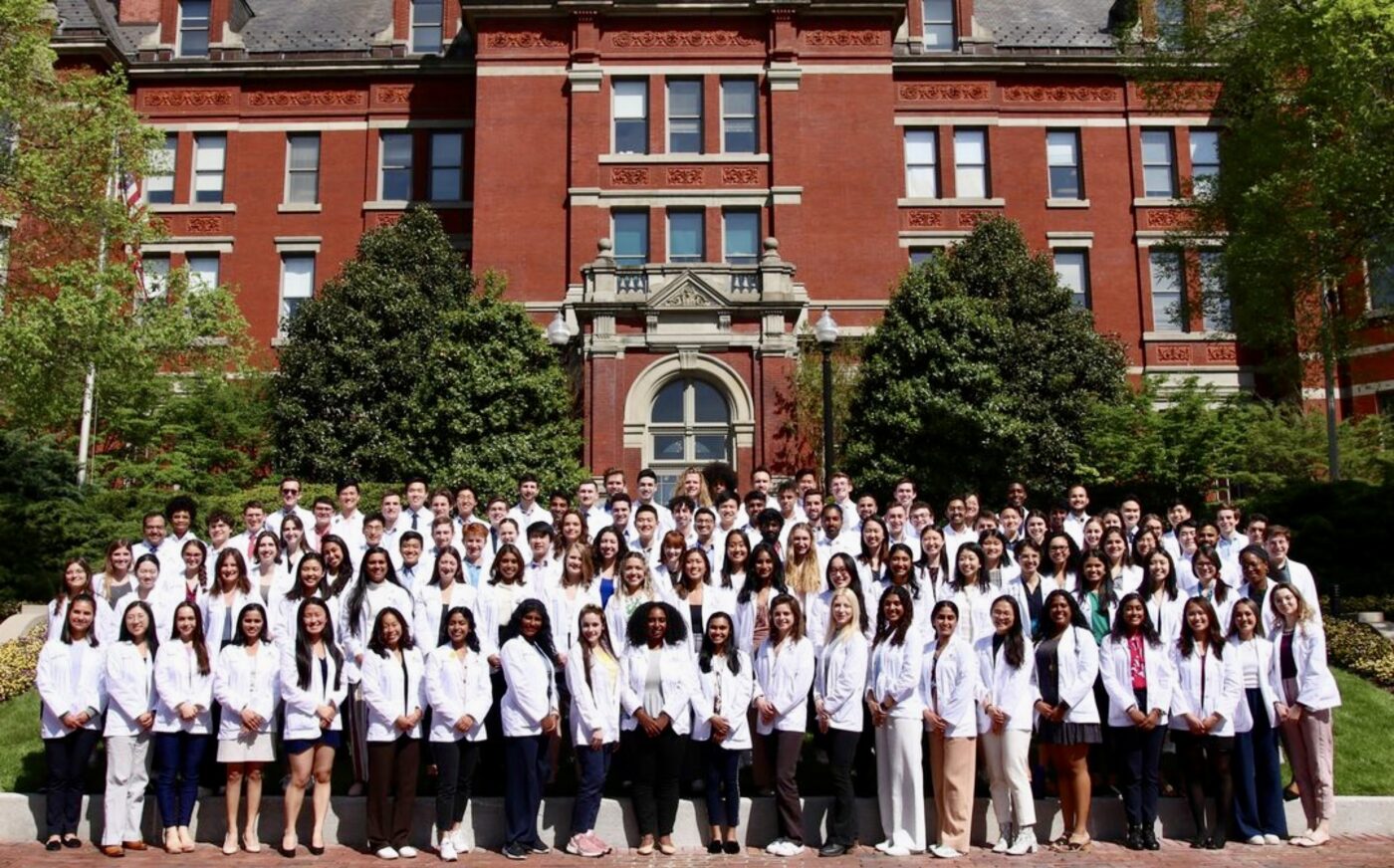
Located in the heart of Silicon Valley, Stanford University offers a unique model that combines medical education with technology and entrepreneurship. Stanford's education system is based on personalized medicine, the application of artificial intelligence in medicine, and biotechnology innovations. During their medical education, students participate in projects integrated with bioengineering, computer science, and data science. Stanford Health Care is one of the world leaders in robotic surgery and minimally invasive procedures. The university is also at the forefront of stem cell research, wearable medical technologies, and the application of artificial intelligence systems in clinical decision-making. Stanford graduates often play a significant role in the Silicon Valley ecosystem as founders of startups that combine medicine and technology.
Great Britain has an excellent medical education model characterized by rich historical traditions and academic rigor. Medical programs in Britain typically last 5 or 6 years, and students are educated in close integration with the country's National Health System. The country's educational philosophy is built on teaching students both fundamental sciences in depth and instilling direct patient skills from the early years. British medical diplomas and licenses have high status worldwide and are directly recognized in many countries. Graduates of medical education must complete the UK Foundation Programme (a 2-year initial residency stage) before continuing on to specialization, which strengthens the system's quality control.
Among the country's and the world's most prestigious medical schools, the University of Oxford and the University of Cambridge lead the way. These two universities are known for the "Oxbridge" model and set global academic standards in both medical education and biomedical sciences. Their superiority is due not only to teaching but also to world-class scientific research infrastructure and high selectivity (very low acceptance rate).
The medical program at the University of Oxford is distinguished by its traditional and academic rigor. Education is strictly divided into two stages: the first 3 years are entirely preclinical (a stage of fundamental sciences conducted without patient contact), and students learn anatomy, biochemistry, pathology, and pharmacology in the finest detail before seeing patients. At the end of this stage, students receive a bachelor's degree in medical sciences. The next 3 years are dedicated purely to clinical experience. The "Tutorial" method (individual academic mentorship and small group classes) holds an important place in Oxford's education system; students engage in one-on-one scientific discussions with world-renowned professors. The university's clinical base, John Radcliffe Hospital, is one of Europe's strongest traumatology and neuroscience centers. Oxford also plays a significant role in vaccinology (vaccine science), immunology, and the formation of global health policy. Especially during the COVID-19 pandemic, Oxford's scientific contribution to the AstraZeneca vaccine holds an important place in global health history.

The University of Cambridge has a special weight in the world due to the number of fundamental biomedical discoveries and Nobel laureates. Scientific revolutionary achievements such as the discovery of the double helix structure of DNA demonstrate the power of this academic environment. Cambridge medical education is based more on the "scientist-clinician" model, meaning students are trained as both clinical doctors and researchers. During their education, students conduct independent scientific research and often submit a dissertation or research project. The university's main clinical base, Addenbrooke's Hospital, is a large medical center specializing globally in organ transplantation, oncological surgery, and the treatment of rare genetic diseases. Cambridge acts as a center for fundamental scientific research, especially in molecular biology, metabolic diseases (e.g., diabetes), neurological diseases, and stem cell therapy.

Imperial College London and University College London, located in London's international and diverse scientific environment, are of particular importance in terms of integrating clinical medicine with technology and public health. Imperial College has a strong position especially in the application of artificial intelligence in medicine, medical imaging, and cardiovascular research. UCL is considered one of the leading centers in neurology, pediatrics, and global public health. Since both universities are closely linked to London's large NHS hospitals, students gain a very broad and diverse clinical experience.
Germany is at the forefront of countries in Europe that offer extremely high-quality education with almost no tuition fees or very symbolic fees. In Germany, medical education is conducted based on a unified and strictly standardized state program lasting 6 years and 3 months. The main goal of this system is to train doctors of the same quality across the country, and the education process is carried out under centralized state control. The strongest aspect of German medical education is its "practice-oriented" nature, where students actively participate in real surgical and treatment processes in university hospitals during their education. Since the education is entirely in German, admission here requires high language proficiency, strong discipline, and serious academic dedication.
Charité – Universitätsmedizin Berlin (Charité University Hospital Berlin), with over 300 years of history, is one of Europe's oldest and largest university hospitals. This institution, where Nobel laureates who changed medical history such as Robert Koch (one of the founders of microbiology), Emil von Behring (Nobel laureate in immunology), and Paul Ehrlich (founder of chemotherapy) worked, is considered the center of medical innovations in Germany. Education at Charité is conducted with the "Modulares Curriculum Medizin" (MCM – Module-based integrative medical curriculum) system; here, students learn anatomy while simultaneously mastering the diseases of that organ and clinical examination in parallel. Charité combines more than 100 clinics and institutes across 4 different campuses and is considered one of Europe's strongest reference hospitals. It is a global reference center, especially in infectious diseases (virology – virus science), autoimmune diseases, and high-risk surgery.

The Heidelberg University Faculty of Medicine, founded in 1386, is the medical faculty of Germany's oldest university and holds a special place in the formation of academic medical tradition in Europe. Heidelberg's distinguishing feature is its close integration with the German Cancer Research Center (DKFZ) and the European Molecular Biology Laboratory (EMBL) operating under its auspices. This structure provides students with the opportunity to participate in world-class laboratory research from an early stage. The university hospital (Universitätsklinikum Heidelberg – Heidelberg University Hospital) is one of the world's rare centers, especially with high-tech treatment methods such as "Heavy Ion Therapy" (precise radiation cancer treatment). Heidelberg is also considered one of Europe's leading scientific bases in transplantation surgery, oncology, and neurosciences.

The Ludwig Maximilian University of Munich is one of the strongest universities in Germany where clinical medicine and scientific research are balanced. International-level research is conducted, especially in immunology, internal medicine, cardiology, and neurology. The university's clinical base, LMU Klinikum (LMU Clinic – Munich University Hospital), is considered one of Europe's largest university hospitals and is a leading center in high-risk surgery, organ transplantation, and the diagnosis of rare diseases. LMU is also one of the rapidly developing centers in Europe for the integration of medical education with artificial intelligence and bioinformatics.

Canada applies a medical education model similar to the US system, but more conservative and competitive in terms of internal quality control and selectivity. In Canada, it is mandatory to have a bachelor's degree beforehand to be admitted to medical schools, and places are extremely limited even for local students. The acceptance rate in many universities is even below 5%, which makes Canada one of the world's most competitive medical education systems. Canadian universities have some of the world's best programs in public health, preventive medicine, and family medicine, in addition to clinical research. These schools, fully integrated with the state's universal healthcare system, place special emphasis on instilling high ethical values, social responsibility, and a patient-centered approach in students. The main goal of medical education in Canada is not only to train highly qualified specialists but also to form doctors who deeply understand the healthcare needs of society.
The Faculty of Medicine at the University of Toronto, founded in 1843, is considered the intellectual center of Canada's healthcare system. This university, which entered medical history with the discovery of insulin and the first successful lung transplant, is also known as one of the research centers that first scientifically proved the existence of stem cells. The University of Toronto collaborates with a huge clinical network called the University Health Network (UHN), which includes some of North America's most advanced medical institutions such as Toronto General Hospital, Princess Margaret Cancer Centre, and Toronto Western Hospital. The university deeply instills in its students social responsibility, medical ethics, patient management in multicultural societies, and the principles of evidence-based medicine. Toronto holds a leading position, especially in regenerative medicine, cardiology, the integration of artificial intelligence into radiology, and global health management.
Another important advantage of the University of Toronto is its connection to one of the world's largest biomedical research ecosystems. The university attracts billions of dollars in scientific grants each year, and students can participate in international-level research projects during their education. For this reason, Toronto is considered one of the global centers that trains not only doctors but also future medical scientists.

McGill University, founded in 1821, is one of Canada's oldest and most prestigious higher education institutions. The university is world-renowned, especially in neurology, neurosurgery, and clinical research. The Montreal Neurological Institute, operating under McGill, is one of the world's most recognized centers for studying brain structure and nervous system diseases.
One of McGill University's main advantages is its international character. Students from over a hundred countries study here, which develops future doctors' ability to work with patients from diverse cultures. The McGill University Health Centre (MUHC), which forms the university's clinical base, is considered one of Canada's most advanced hospital complexes in transplantology, oncology, pediatrics, and traumatology.

Turkey has become one of the strongest medical education centers in the region thanks to the large investments it has made in healthcare infrastructure and higher medical education over the last twenty years. Medical education in the country typically lasts 6 years, and students are admitted to medical faculties directly after high school. The education program covers fundamental medical sciences in the first three years, and clinical subjects and hospital practice in subsequent years. The sixth year is considered the "Intern Doctor" (candidate doctor practice) stage, and students actively work in hospitals under the supervision of doctors during this period. Turkey's medical education system is aligned with the European Higher Education Area and many universities have international accreditations.
The Hacettepe University Faculty of Medicine, which started its activities in 1967, is considered one of the institutions that laid the foundation of modern medical education in Turkey. The university has a high reputation, especially in pediatrics, oncology, hematology, and transplantology. Hacettepe University Hospital is one of Turkey's largest and most complex university hospitals and plays an important role in the treatment of severely ill patients applying from various regions of the country.
Hacettepe's main advantage is its research-oriented education model. Students are involved in laboratory research from early stages, and clinical subjects are taught based on real patient cases. The university has been recognized for many years as Turkey's medical faculty with the highest academic indicators and is considered the country's leading medical school in many international rankings.
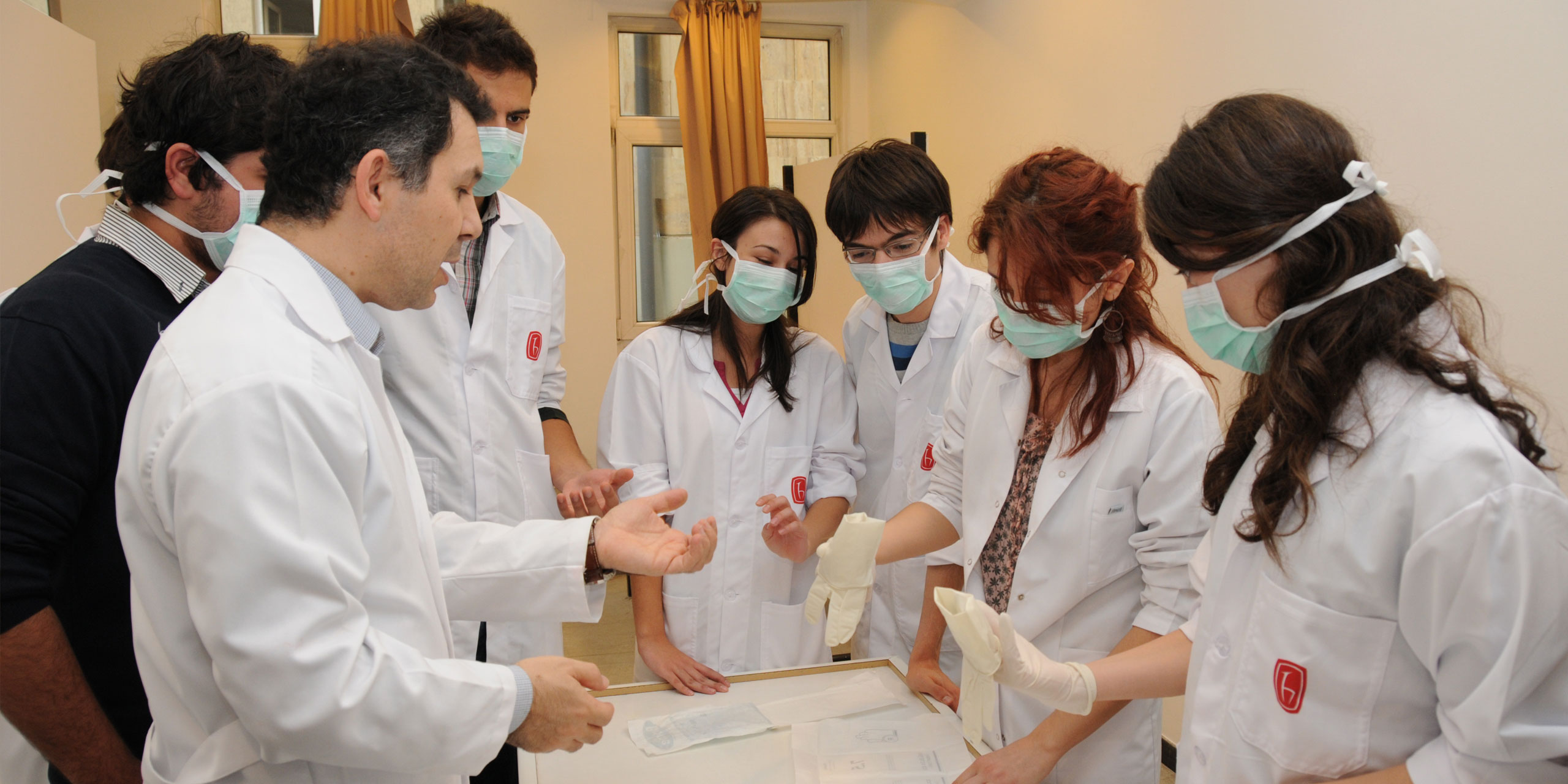
The Istanbul Faculty of Medicine, founded in 1827, is considered Turkey's oldest medical school and has played a significant role in the formation of the country's healthcare system since the Ottoman period. The faculty has a large clinical base serving hundreds of thousands of patients, and students have the opportunity to encounter a wide variety of pathologies.
Istanbul University has strong traditions, especially in internal medicine, cardiology (cardiovascular diseases), infectious diseases, and surgery. The university's hospital complex is considered one of Turkey's largest clinical training bases, and students gain practical medical skills here from an early period.

The Koç University Faculty of Medicine, one of Turkey's newest and most innovative medical schools, has managed to gain international recognition in a short time. The university has shaped its education model based on the advanced practices of US and European medical schools. Problem-based learning, clinical simulation, and scientific research activities hold a special place here.
Koç University Hospital and Research Center stands out with its high-tech medical equipment and modern infrastructure capabilities. The university is one of the rapidly developing scientific centers, especially in genomics (study of genetic information), molecular medicine, immunology, and personalized medicine (treatment tailored to individual characteristics).
The Ankara University Faculty of Medicine, founded in 1945, is considered one of the first medical faculties of the Republic of Turkey. The university has played a significant role in shaping the country's healthcare policy and training thousands of doctors. The faculty has strong scientific schools, especially in surgery, neurology (nervous system diseases), nephrology (kidney diseases), and public health.
Ankara University Hospital is considered one of the country's largest reference medical centers, and students gain extensive clinical experience here. The university is also distinguished by its international cooperation programs and student exchange projects.