During the plenary session of the Milli Majlis, the issue of involving children in scientific and social research was addressed during the discussion of the draft law “On Children's Rights”. It was noted that since children are a vulnerable population group, it is important to provide additional legal and ethical safeguards for their participation in research.
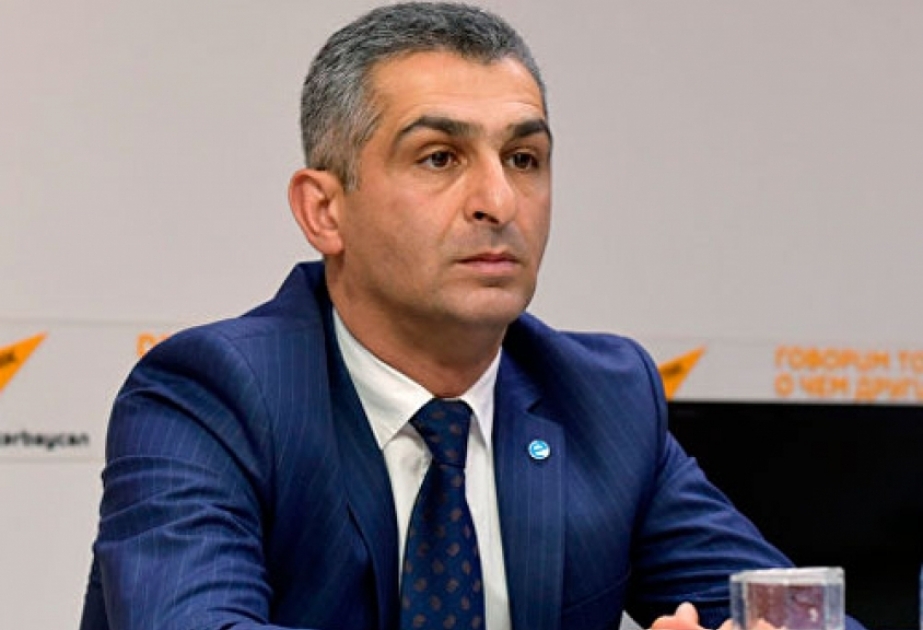
Giving a statement to AzEdu.az regarding the topic, Doctor of Philosophy, Chairman of the Azerbaijan Society of Young Scientists, Doctoral Students and Masters, Ilgar Orujov noted that the provisions to be added to the law “On Children's Rights” must be based on fundamental ethical imperatives:
“The first of these is the principle of indispensability and lack of alternatives. According to this principle, scientific research is permitted only if the stated objective cannot be achieved through trials conducted on adults. The involvement of children in the process should be considered a measure of last resort, and research should be exclusively directed towards the specific needs of the pediatric group.
Another fundamental approach is the principle of legal supremacy and the priority of welfare. According to this principle, the general interests of science and society can in no case take precedence over the life and health of a child involved in research. For this purpose, every research protocol must undergo a comprehensive risk-benefit analysis by independent ethics committees comprising lawyers, pediatricians, and bioethics specialists before its implementation".
Children's participation in research should be regulated through a “two-tiered” consent mechanism:
"In accordance with this mechanism, a parent or legal guardian must provide written consent after being fully informed about all risks and expected benefits of the research. Concurrently, the child's individual assent must be obtained in a manner appropriate to their age and cognitive ability.
If a child, even a minor, objects to the process, they cannot be involved in the research despite parental consent. Furthermore, both the child and the parent have the right to withdraw from participation at any stage of the research without providing any explanation or facing any sanctions. Any objection expressed by the child at any stage must be considered absolute, and the research must be immediately halted.
The participation of children as research subjects is a fundamental basis for optimizing the state strategy in this field based on empirical data and scientific evidence. For example, clinical research serves to determine specific dosages and medications for the child's organism, while social research contributes to the development of targeted state programs aimed at solving pressing problems (bullying, quality of inclusive education, psychosocial development).
Nevertheless, the management of potential risks is essential. Risks include unforeseen effects of clinical trials on a child's development, physical and psychological traumas, leakage of sensitive personal data, and the encouragement of children from socio-economically disadvantaged families to participate in risky trials in exchange for compensation. To minimize these risks, mandatory insurance mechanisms should be implemented by the state, and the confidentiality of personal data and genetic materials must be protected by strengthened norms of the legislation “On Personal Data”. The improvement of the legislative framework based on these principles will transform children from passive objects of scientific progress into active subjects whose rights are guaranteed by the state".